
Fertility Supplements Explained: What You Should Know Before Trying to Conceive
When you’re preparing for pregnancy or trying to conceive (TTC), you’ve probably heard about fertility supplements. From folic acid to vitamin D and zinc, many nutrients are often associated with reproductive health. But do you really need them? And can they improve your chances of getting pregnant?
The truth is, fertility supplements can be helpful—but they are not miracle pills. Understanding what they do, who may benefit from them, and how to use them safely is key to making informed decisions.
Why Are Fertility Supplements Used?
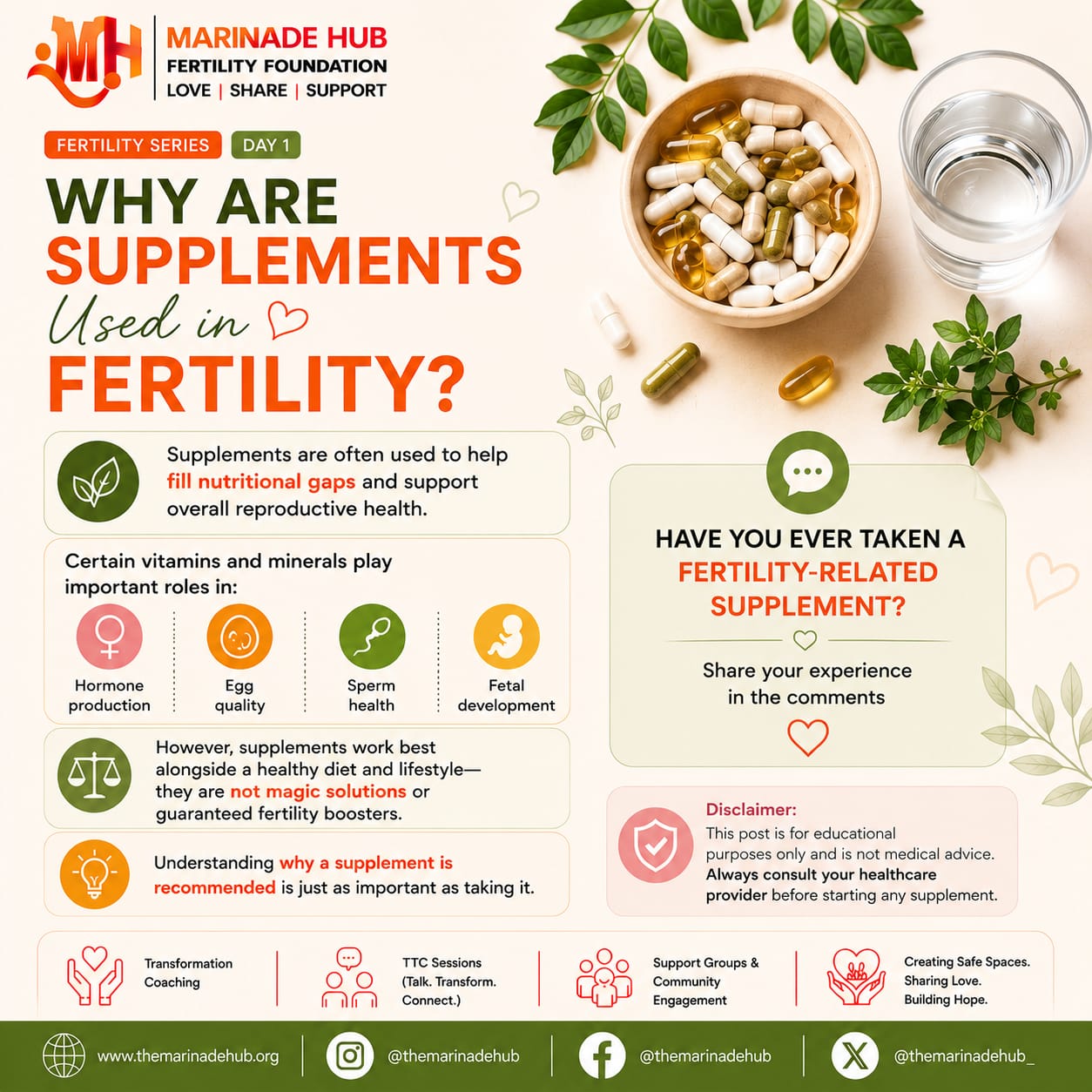
Fertility supplements are commonly used to fill nutritional gaps and support the body’s natural reproductive processes. Certain vitamins and minerals contribute to hormone production, egg quality, sperm health, and healthy fetal development.
However, supplements work best when combined with a balanced diet, regular exercise, quality sleep, proper hydration, and stress management. They are meant to support a healthy lifestyle—not replace it.
Folic Acid: Start Before Pregnancy
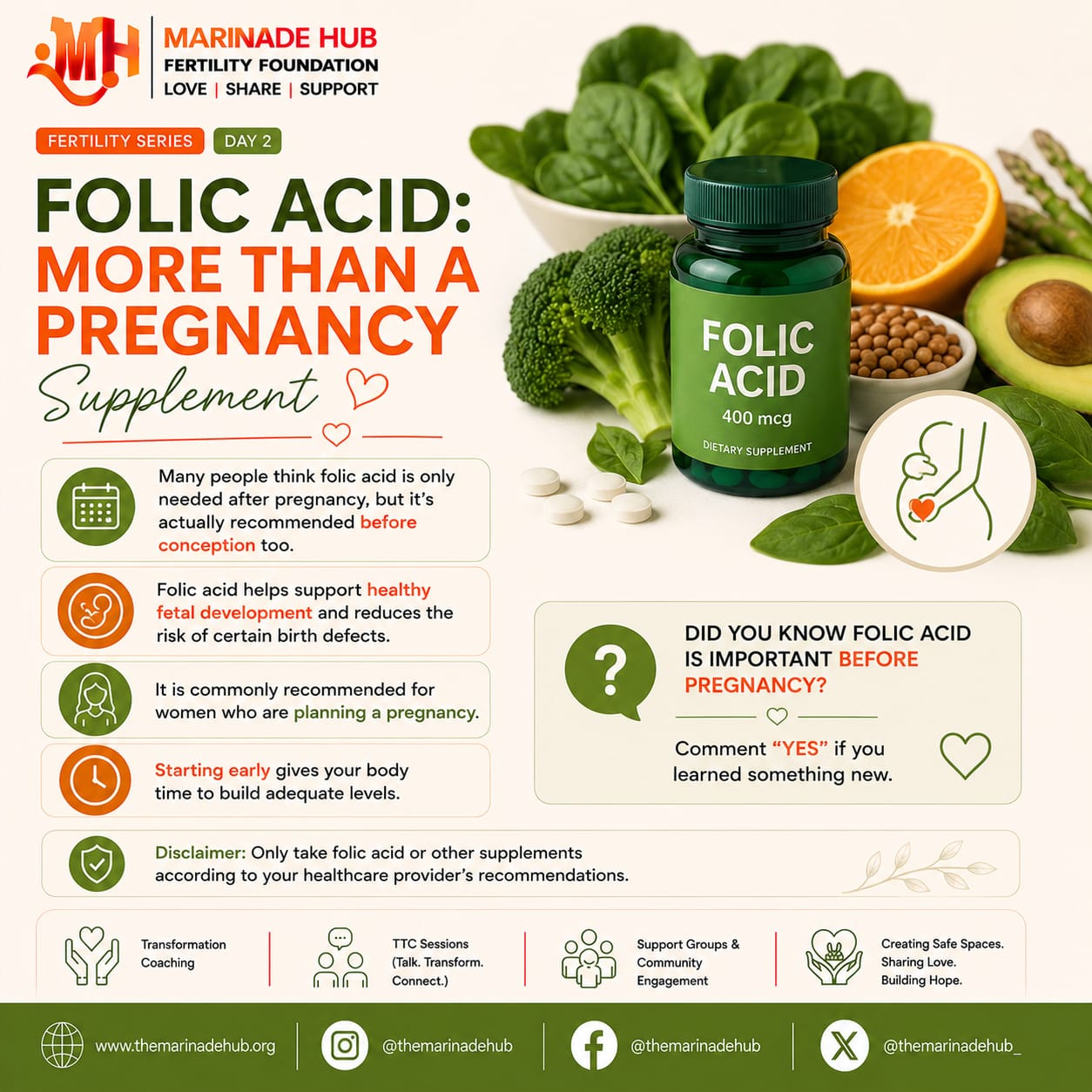
One of the most important supplements for women planning a pregnancy is folic acid.
Many people think it should only be taken after becoming pregnant, but healthcare providers often recommend starting it before conception. Folic acid supports healthy fetal development and helps reduce the risk of certain birth defects. Beginning early allows your body to build the levels needed during the first weeks of pregnancy.
Male Fertility Matters Too
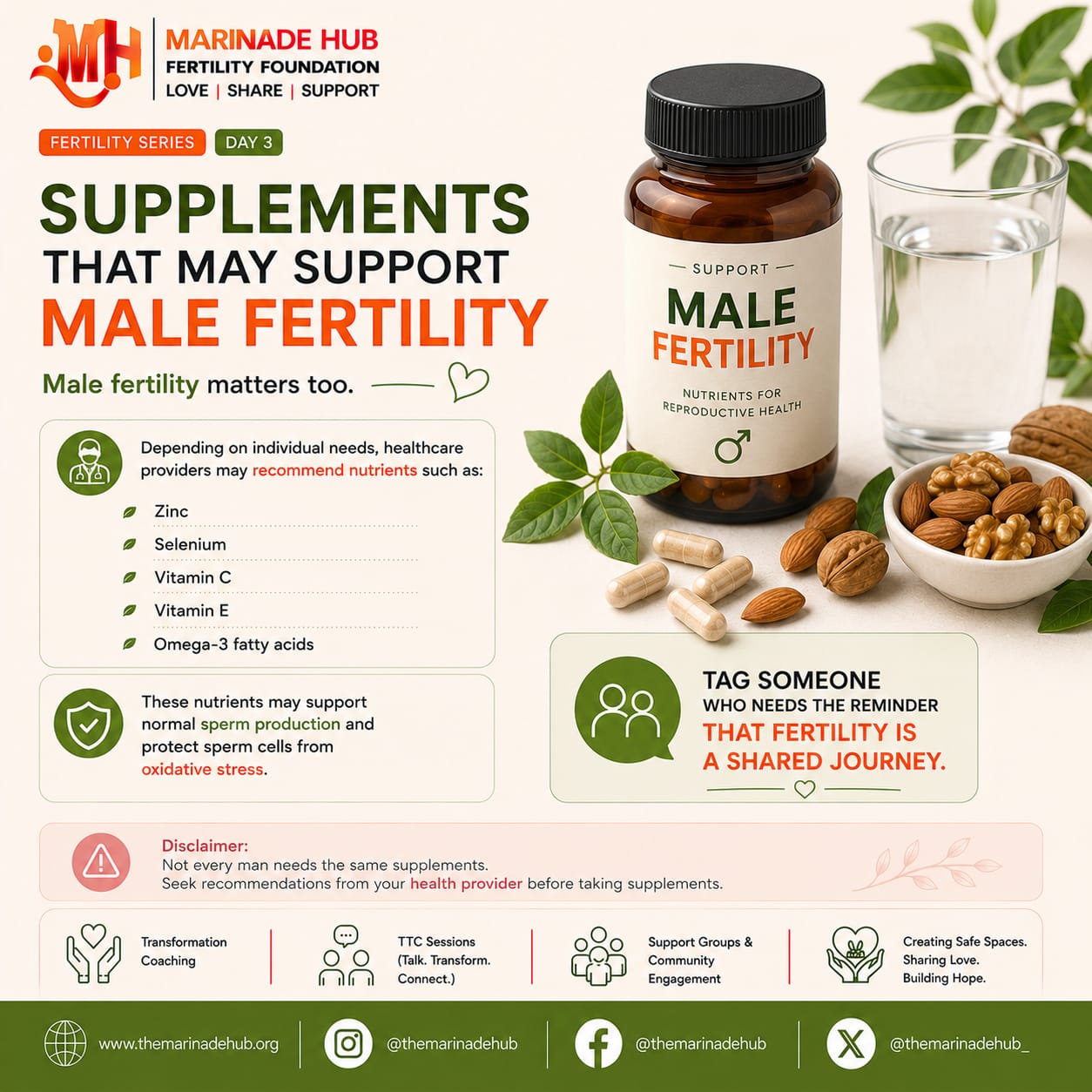
Fertility is not just a woman’s responsibility. Men’s reproductive health also plays a vital role in conception.
Depending on individual needs, healthcare providers may recommend nutrients such as zinc, selenium, vitamin C, vitamin E, and omega-3 fatty acids. These nutrients may help support normal sperm production and protect sperm cells from oxidative stress.
Remember, not every man needs the same supplements. A personalized approach is always best.
Vitamin D and Fertility
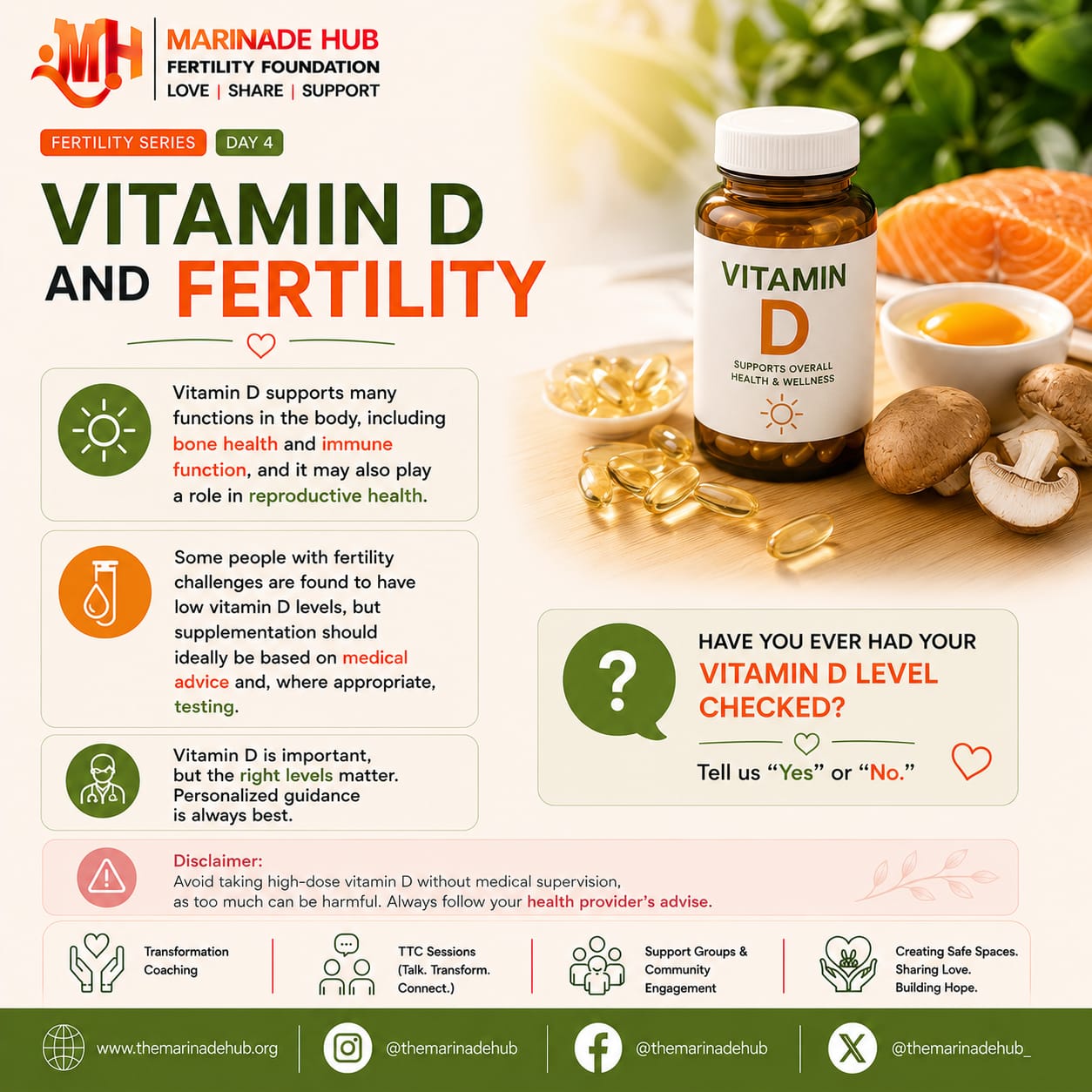
Vitamin D is essential for bone health and immune function, and research suggests it may also support reproductive health.
Some people experiencing fertility challenges have low vitamin D levels. If a deficiency is identified, a healthcare provider may recommend supplementation. Avoid taking high doses without medical supervision, as excessive vitamin D can be harmful.
Is It Possible to Take Too Many Supplements?
Absolutely.
Taking multiple supplements or exceeding recommended doses may cause unwanted side effects or interfere with medications. More is not always better.
Instead of following online trends or copying someone else’s routine, speak with your healthcare provider about what your body actually needs.
Healthy Habits Are the Foundation
No supplement can replace healthy daily habits. Your fertility benefits most when you:
– Eat a balanced, nutrient-rich diet.
– Stay physically active.
– Get enough quality sleep.
– Drink plenty of water.
– Manage stress in healthy ways.
Think of supplements as part of your fertility support plan—not the entire plan.
Your Fertility Journey Is Unique
Every individual and every couple has different health needs. Age, medical history, hormone levels, lifestyle, and fertility diagnosis all influence which supplements may be appropriate.
A personalized plan developed with your healthcare provider is always safer and more effective than following popular trends.
Final Thoughts
Fertility supplements can support reproductive health when used appropriately, but they are not a shortcut to pregnancy. Lasting fertility wellness comes from combining healthy lifestyle choices with evidence-based medical care and personalized guidance.
Whether you’re just beginning your TTC journey or preparing for pregnancy in the future, remember that informed choices are powerful choices. Take care of your body, ask questions, and work closely with your healthcare provider to create the plan that’s right for you.