PMOS: Understanding the New Name, Its Impact on Fertility and Your Overall Health
For many years, PCOS (Polycystic Ovary Syndrome) has been widely discussed as a condition affecting women’s reproductive health. However, a newer term being used in some conversations is PMOS (Polyendocrine Metabolic Ovarian Syndrome), reflecting the broader range of systems and health concerns that can be associated with the condition.
The change in terminology highlights an important message: reproductive health is closely connected to hormonal and metabolic health, and understanding the whole picture matters.
What Is PMOS?
PMOS refers to a condition that can affect several aspects of a woman’s health, including hormones, metabolism, ovulation, reproduction, skin, weight and overall wellbeing.
Rather than viewing the condition as an issue affecting only the ovaries, this broader perspective encourages women and healthcare professionals to consider how different aspects of health may be connected.
A new name can open the door to a broader understanding and a better conversation about women’s health.
PMOS and Fertility
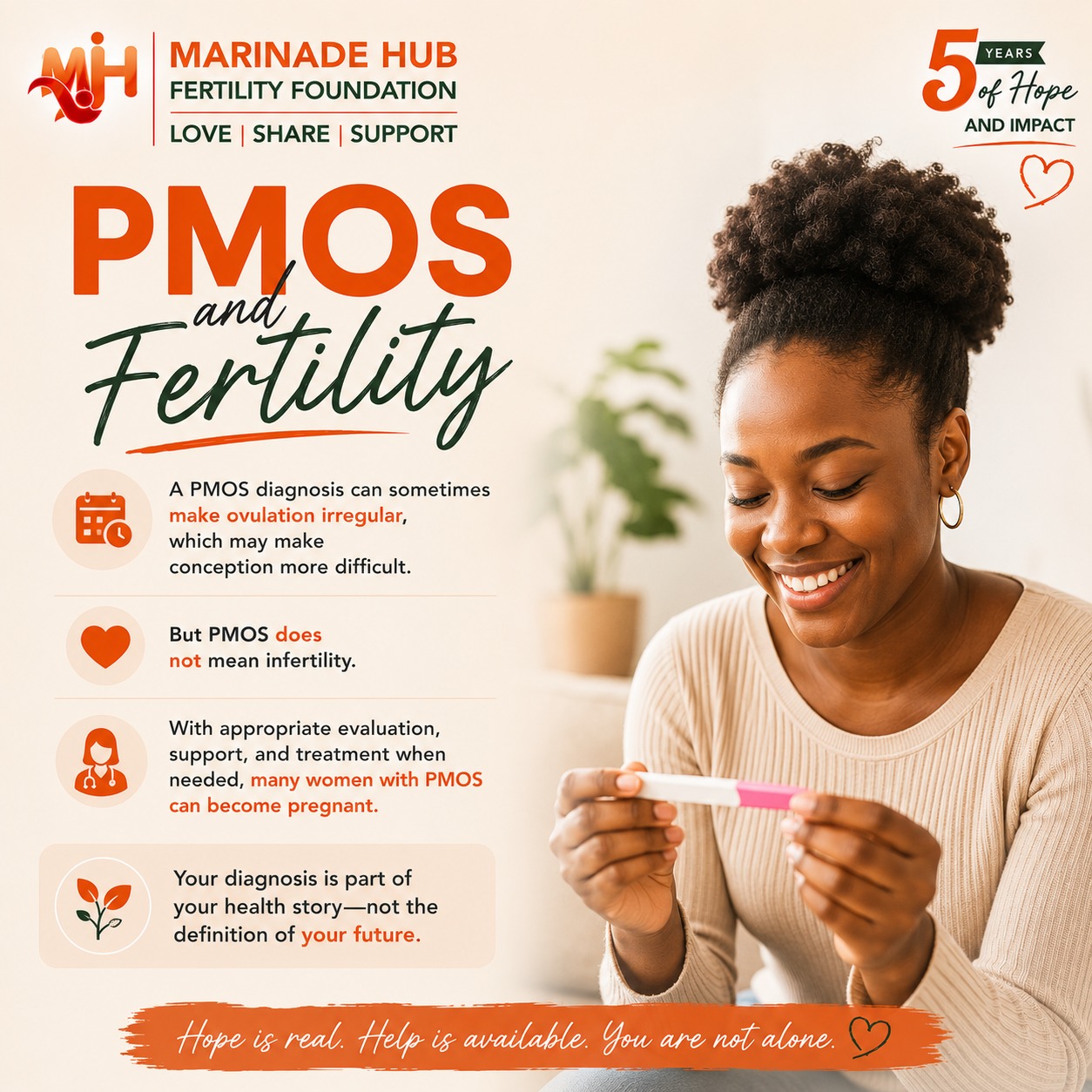
One of the concerns women may have after receiving a PMOS diagnosis is whether they will be able to conceive.
PMOS can sometimes affect ovulation, causing it to become irregular or unpredictable. Since ovulation is an important part of conception, irregular ovulation may make it more difficult for some women to become pregnant.
However, a PMOS diagnosis does not automatically mean infertility.
With appropriate evaluation, medical support and treatment when necessary, many women with ovulation-related challenges can pursue pregnancy successfully.
Your diagnosis is part of your health story—it does not have to define your future.
PMOS and Ovulation
Ovulation is the release of an egg from the ovary. For some women with PMOS, hormonal changes may cause ovulation to occur irregularly or less frequently.
When ovulation is unpredictable, identifying the fertile window can become challenging, particularly for women who are trying to conceive.
This is why understanding your menstrual cycle, recognising changes in your body and seeking appropriate medical evaluation can be important parts of managing reproductive health.
Why Does Metabolic Health Matter?
The word “metabolic” in PMOS draws attention to the connection between reproductive health and metabolic wellbeing.
Some women with the condition may experience insulin-related concerns and other metabolic health risks. This means that managing PMOS is not only about regulating menstrual cycles or improving the chances of pregnancy.
It is also about looking after your overall health.
Reproductive health, hormonal health and metabolic health are interconnected, and each deserves attention.
PMOS Can Look Different in Every Woman
There is no single way PMOS looks or feels.
One woman may experience irregular menstrual periods, while another may experience acne or excess hair growth. Someone else may primarily struggle with difficulty conceiving, while another woman may have metabolic concerns.
Symptoms and experiences can vary from person to person.
This is why listening to your body, paying attention to changes and discussing concerns with a qualified healthcare professional are important.
Different experiences. One condition that deserves to be understood.
Lifestyle and PMOS Management
Managing PMOS is not about extreme diets, quick fixes or punishing your body.
Instead, focus on sustainable habits that support your overall health. These may include:
– Eating balanced and nourishing meals
– Engaging in regular physical activity
– Getting quality sleep
– Managing stress
– Staying adequately hydrated
– Attending regular medical appointments and following professional advice
There is no one-size-fits-all approach to managing PMOS. What works for one woman may not be appropriate for another.
The goal should be to build healthy, sustainable habits while receiving care that is appropriate for your individual needs.
You Can Understand and Manage Your PMOS
Living with PMOS can sometimes leave women feeling confused about their bodies, especially when symptoms change or fertility becomes a concern.
Knowledge can help you take a more active role in your healthcare journey.
Start by:
– Learning about your menstrual cycle
– Understanding and tracking your symptoms
– Asking questions during medical appointments
– Monitoring relevant aspects of your health
– Seeking appropriate professional care when needed
You do not have to ignore changes in your body or navigate your health journey without support.
Your Body Deserves to Be Understood
Whether your concern is irregular periods, ovulation, fertility, hormonal changes or metabolic health, your experience deserves attention and appropriate care.
A diagnosis may explain some of what you are experiencing, but it does not define your worth, your womanhood or your hopes for the future.
At Marinade Hub Fertility Foundation, we believe that fertility education and access to reliable information can help women make informed decisions about their reproductive health.
Understand your body. Ask questions. Seek support. Protect your health.
#PMOS #PMOSAwareness #FormerlyPCOS #PMOSAndFertility #FertilityEducation #WomensHealth #HormoneHealth #MetabolicHealth #OvulationAwareness #FertilitySupport #TTCJourney #MarinadeHub